Author: admin
-
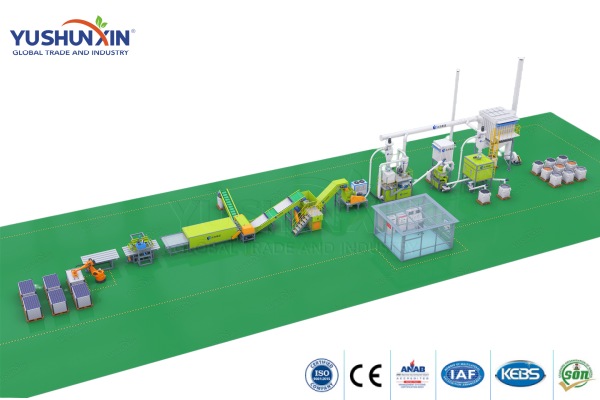
How do civil works affect the return of a solar panel thermal recycling process project?
Equipment quotations arrive with a clear price, while site preparation often carries the largest uncertainty of a recycling project. The solar panel thermal recycling payback period therefore depends as much on foundations, buildings and utilities as on the crusher or the thermal chamber. You, as a project investor or as a plant construction manager, control…
-
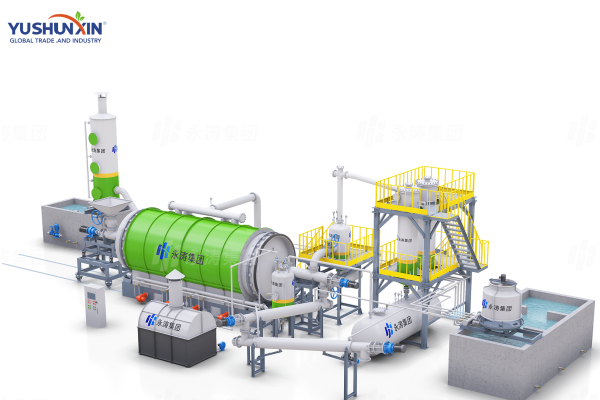
Which waste tire pyrolysis technology fits an existing industrial production line?
Industrial sites that already operate a shredding line, a cement kiln or a rubber processing plant can add tire treatment capacity without building a new facility from the ground. The waste tire pyrolysis plant technical route defines how the new section connects to the existing material flow, the existing utilities and the existing quality control…
-
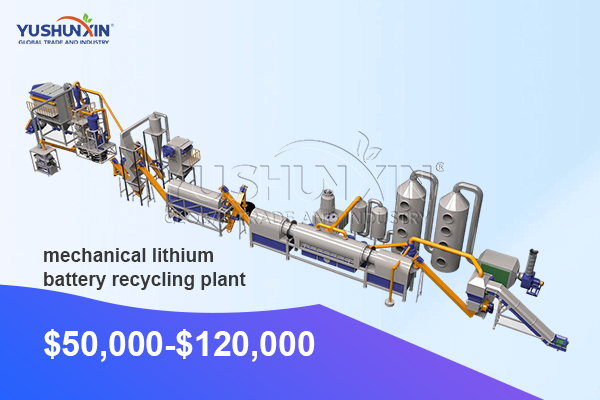
How large is the lithium battery recycling market opportunity in Southeast Asia?
Electric two wheelers, passenger cars, buses, energy storage cabinets and consumer electronics drive battery demand across Southeast Asia, and that demand creates a matching wave of end-of-life packs. The lithium battery recycling plant market outlook in Southeast Asia therefore attracts investors who want a processing asset close to the source of the material. You, as…
-
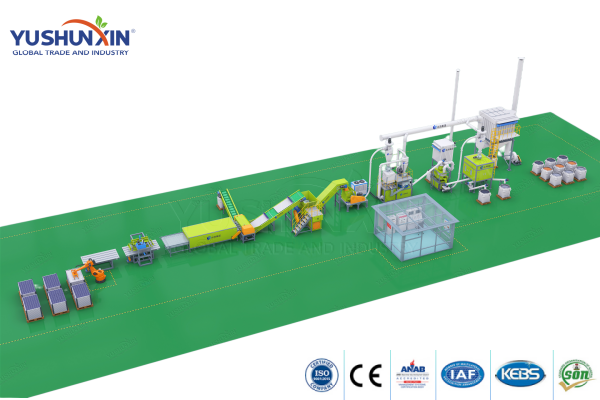
How does solar panel thermal recycling technology reduce landfill dependence?
Retired photovoltaic modules contain glass, aluminium, silicon, copper, silver and polymer layers, and you, as a recycling company or as a municipal asset owner, face a growing volume that landfill sites accept with increasing reluctance. A solar panel thermal recycling technology separates those layers with controlled heat, mechanical handling and material sorting so that most…
-
¿Qué tan grande es la oportunidad de mercado de reciclaje de materiales de baterías en Chile?
El mercado chileno de reciclaje de baterías crece con la electrificación del transporte público, del almacenamiento estacionario y de los equipos mineros, y usted, como empresa recicladora o como inversionista de proyectos ambientales, analiza hoy una oportunidad de mercado de reciclaje de materiales de baterías que combina volumen creciente, regulación ambiental más estricta y demanda…
-
What Recovered Materials Can Drive Value in a PV Recycling Project?
A photovoltaic recycling project is not only about removing waste modules. The real business value comes from recovering useful materials and finding suitable downstream applications. End-of-life solar panels contain several valuable components, including glass, aluminum, silicon, copper and other material fractions. The recovery value depends on module structure, separation technology and final product quality. What…
-
How Do Sealed Feeding and Residue Discharge Affect Oil Sludge Treatment?
Oil sludge is not simply a wet solid that can be placed into a pyrolysis reactor. Its water content, oil fraction, solids and physical condition can change how the material is fed, heated and discharged. For projects using refinery sludge, tank-bottom sludge or drilling waste, feeding and residue discharge should be considered together with the…
-
When Does a Plastic Pyrolysis Line Need Dewaxing and Stronger Condensation?
A plastic pyrolysis project is not only about heating plastic waste and collecting oil. The composition of the feedstock directly affects how the gas, liquid and wax components behave during the process. For some plastic streams, especially those containing high levels of PE or PP, wax formation and condensation efficiency become important factors when designing…
-
Why Does Tire Size Change the Feeding Design of a Pyrolysis Project?
A tire pyrolysis project can use passenger-car tires, truck and bus tires, OTR tires, or rubber production scrap, but these materials do not always enter a recycling line in the same form. Their size and physical condition can affect how the material is prepared, transferred, and fed before thermal processing begins. For this reason, feeding…
-
Why Water, Sand and Salt Content Change Oil Sludge Pyrolysis Line Design
An oil sludge pyrolysis line cannot be designed from daily tonnage alone. Tank-bottom sludge, refinery sludge, drilling residues, and oily soil may contain very different proportions of oil, water, sand, salts, and ash. Before selecting equipment, you need to understand this composition because it directly affects pretreatment, feeding, heating demand, reactor design, oil recovery, corrosion control,…