Industrial sites that already operate a shredding line, a cement kiln or a rubber processing plant can add tire treatment capacity without building a new facility from the ground. The waste tire pyrolysis plant technical route defines how the new section connects to the existing material flow, the existing utilities and the existing quality control system. You, as an industrial plant manager or as an engineering contractor, evaluate that route against the layout and the operating schedule of the host facility. The waste tire pyrolysis plant technical route also determines whether the site processes whole tires, shredded chips or rubber crumb.
Which technical criteria define a waste tire pyrolysis plant technical route?
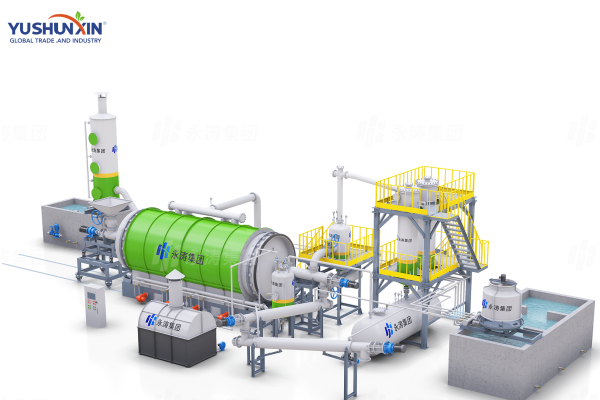
The reactor type defines the residence time and the heat transfer mode, and that choice determines the acceptable particle size of the feed material. The condensation configuration defines the oil fraction split, because a two stage condenser separates light oil from heavy oil. The gas treatment section defines the emission performance that the host site must reach under its existing permit. Your engineering team compares these three sections with the available space, and that comparison eliminates routes that cannot fit inside the fence line.
Which processing equipment integrates with an existing industrial line?
A tire to oil pyrolysis technology selection process reviews the shredder, the conveyor, the sealed feeder, the reactor, the condenser, the oil tank farm and the discharge system against the host layout. Processing equipment that matches the existing conveyor height avoids a second material handling step. Treatment machinery with its own control cabinet connects to the plant network without disturbing the main process controller. Your project team then confirms the power demand, the cooling water demand and the space for the maintenance crane.
How do you handle steel wire and carbon black output?
Steel wire leaves the reactor with the char, and a magnetic separator recovers that wire as a saleable scrap fraction. Carbon black requires milling and pelletizing before industrial buyers accept it, and those two steps determine the additional investment. A waste pyrolysis recycling solution that includes the carbon black upgrading section protects the value of the output. Your commercial team identifies buyers for recovered carbon black before commissioning, because that contract supports the revenue forecast of the project.
How do you connect the pyrolysis section to existing utilities and material flow?
A continuous pyrolysis system for tire recycling needs a stable electricity supply, a cooling circuit and gas handling that matches the site safety rules. Your integration plan divides the tie-in work into short shutdown windows, and that division limits the production loss of the host plant. The control philosophy then aligns the new section with the existing alarm and interlock structure. Your operations team trains on the new interface before the first campaign, and that training protects both plants during the transition.
Conclusion for industrial plant managers and engineering contractors
Integration succeeds when the technical route respects the constraints of the existing site instead of assuming a greenfield layout. An industrial waste recycling company that provides process drawings, utility schedules and commissioning support reduces the interface risk of that integration. The tire recycling industry already operates collection networks, and those networks supply the new pyrolysis section with consistent feedstock. If your engineering team needs a technical reference for the tie-in scope, you can learn more about https://solutionsforewaste.com/pyrolysis-technology/ before the next design review.