A black mass recovery process design creates long-term material value when the plant preserves the quality of every recovered fraction instead of focusing only on equipment throughput. The process begins with battery sorting, discharge and dismantling, then continues through shredding, drying, magnetic separation, density separation and dust collection. material efficiency improves when the plant recovers copper, aluminium and black mass at commercial purity while reducing residue and energy loss. Project investors need a design that matches the local battery mix and gives refiners a consistent product. A complete process model therefore links mass balance, equipment layout, product quality and operating cost before construction.
Which feedstock and preparation choices protect the black mass recovery process design?
Battery chemistry, state of charge, moisture and physical damage determine the handling route and the safety equipment that the plant needs. A long term material value from black mass recovery separates confirmed chemistries and isolates damaged packs before the shredder, because uncontrolled mixing creates both process and product risk. The preparation line uses sealed conveyors, a controlled discharge station and dust collection equipment at every transfer point. Operators sample incoming material and record the source, mass and visible condition. That information allows the plant to adjust drying time and separation settings before production starts. Stable feedstock preparation gives the downstream processing line a predictable basis for yield, quality and worker safety.
Which separation equipment determines the commercial value of recovered battery materials?
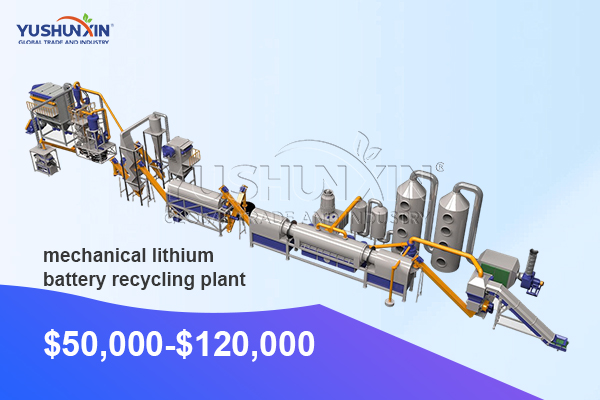
The shredder, hammer mill, screen, magnetic separator and density separator work as a chain, and one poorly sized unit reduces the value of the final black mass. A black mass recovery plant design for investors specifies particle size, metal contamination and moisture limits that the refinery will accept. The battery recycling technology route explains the supporting control and material-handling technology that keeps the line stable. Operators inspect screen wear and separator settings every shift, because small changes alter the copper and aluminium content of the product. The plant stores each fraction separately and keeps a retained sample until the buyer releases the shipment. Product consistency turns recovered material into a long-term supply contract rather than a low-value scrap sale.
How does plant availability affect long-term material value for project investors?
A recycling plant earns value through reliable operation, not through a short peak output. Investors therefore review the maintenance plan for blades, screens, bearings, conveyor belts and filter bags. The design provides access around the processing machinery so technicians can replace wear parts without dismantling the whole line. A spare-parts list covers critical motors, sensors and seals, while the control system records the running hours of the main equipment. The operating team compares actual throughput and recovery yield with the commissioning baseline. Those records show whether the plant preserves its material output over years and whether future capital spending matches the real wear pattern.
Which project assumptions turn battery recovery into a durable investment case?
The investment model tests battery supply, black mass yield, product quality, electricity price and maintenance cost under several scenarios. A plant with a secure collection network and a qualified refiner can support a more stable cash flow than a facility that depends on spot material. The project team also includes permits, fire protection, wastewater handling and working capital in the capital plan. Sensitivity analysis shows how a lower metal content or a delayed permit affects payback. The owner should approve the project only when the base and downside cases both fund the maintenance of the battery recycling equipment. That discipline protects the long-term material value that the recovery process creates.
Conclusion for battery recycling investors and plant developers
Long-term value begins with a complete black mass recovery design that balances feedstock preparation, separation performance, product quality and equipment availability. Investors need measured inputs for battery supply and refinery specifications, not only a nominal plant capacity. A battery recycling project engineers that reviews the mass balance and material-handling layout before the tender gives the project a stronger technical base. The maintenance plan and spare-parts budget also belong in the original investment case. The detailed lithium battery recycling plant route is available at https://solutionsforewaste.com/lithium-battery-recycling-plant/ for the next review.