Regional market conditions change the economics of a battery material recycling line even when two projects choose the same shredder, dryer and separation equipment. The battery material recycling line market outlook responds to local battery supply, electricity tariffs, transport distance, labour cost and the buyer network for black mass and metals. market (economics) explains how supply and demand set prices, yet a recycling project must also account for policy, permits and logistics. A plant in a dense industrial region may pay more for land but gain shorter collection routes and faster service. The owner needs a regional cost model before selecting capacity and finalizing the plant layout.
Which regional supply conditions shape the market for a battery material recycling line?
The available volume of electric vehicle packs, consumer batteries and manufacturing scrap sets the achievable operating rate. A regional cost effects on battery material recycling measures collection density within an economic transport radius instead of using a national forecast. Local battery manufacturers may provide clean production scrap, while repair shops and municipal channels supply mixed chemistry and higher handling cost. The project team interviews collectors, transport companies and refiners before it fixes capacity. Competition from existing treatment plants affects both feedstock access and the fee that generators accept. These local facts show whether the recycling machinery can stay busy through the year and whether the business can build stable supply contracts.
How do utility, labour and land costs change battery recycling site economics?
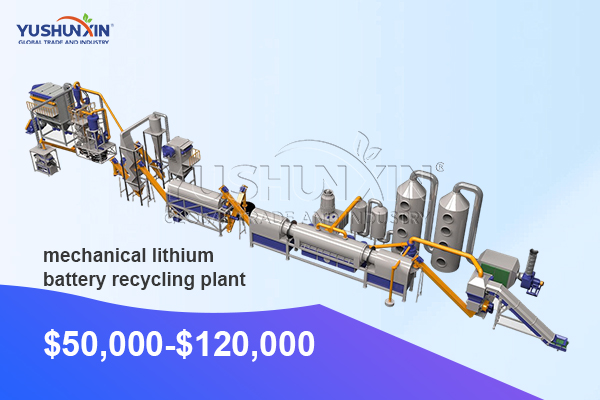
Shredding, drying, dust collection and material conveying create an electrical load that varies with capacity and layout. A region with low power tariffs may support a more energy-intensive process, while a high-cost region rewards efficient motors and heat recovery. Labour cost matters for dismantling, inspection and maintenance, especially when automation cannot remove every manual task. The 500 kg/h lithium battery recycling plant design shows how a compact line reduces building volume and internal transport. Land price, hazardous material zoning and the distance to fire services also enter the site comparison. The owner combines these cost factors with the expected uptime of the battery material recycling equipment rather than relying on a single labour-rate comparison.
Which policy and logistics factors affect market outlook and project return?
Extended producer responsibility rules, hazardous waste permits, import and export controls and local content incentives can expand or restrict feedstock access. A region with clear battery collection rules gives the plant predictable volume, while unclear rules create informal competition and inconsistent input. Logistics cost depends on pack safety, transport permits and the distance to the separation plant and downstream refiner. A battery material recycling line site economics includes the cost of storage, fire protection and emergency response as part of the site plan. The owner also reviews how quickly authorities issue permits and whether the plant can connect to reliable power. A strong policy framework improves the bankability of the lithium battery recycling project.
How should investors compare several regions before choosing a project site?
The comparison uses one demand, capacity and technology basis for every candidate region and changes only local assumptions. It scores feedstock access, utility cost, labour availability, permit schedule, logistics and downstream buyer depth. The model tests low and high collection volumes, because a market forecast can overstate the material that actually reaches the plant. The investor visits candidate sites and checks road access, flood risk, power capacity and the distance to industrial neighbors. A final decision also considers incentive duration, because a subsidy that expires early may weaken the long-term return. The selected site should support the full battery material recycling line without requiring a second move after construction.
Conclusion for battery recycling investors
A battery material recycling line succeeds when the local supply, utilities, labour and downstream buyers fit the plant design. Investors need a regional model that includes collection density, power cost, hazardous waste rules and black mass transport. An battery recycling market engineering advisors that gathers local data before capacity selection helps the project avoid an expensive mismatch between equipment and market reality. The final comparison should also test policy duration and feedstock competition. The regional market reference for a battery material recycling line appears at https://www.sxlbp.com/products/lithium-battery-recycling-machine-cost/.