A solar silver recovery solution investment analysis compares the capital of the plant with the value of the silver and the other fractions that it recovers, and the payback tells the investor when that capital returns. You, as a project investor or as a recycling company manager, build the solar silver recovery solution investment analysis before the equipment order. The investment only makes sense when the module supply and the buyer network are confirmed.
Which items form the investment cost?
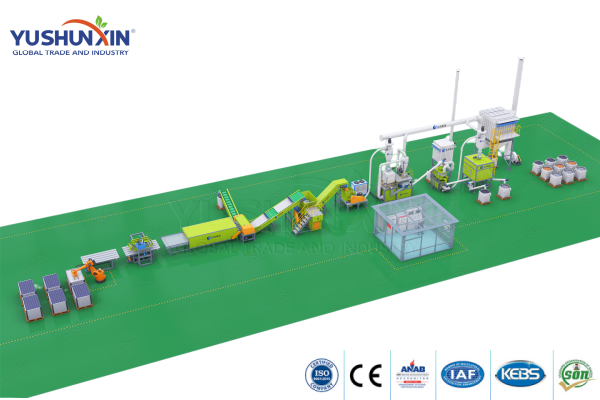
The dismantling station, the shredder, the delamination unit, the leaching circuit and the effluent plant form the equipment block of the project. The investment cost of a solar silver recovery process also carries the reagent storage, the ventilation, the fire protection and the working capital for the first module purchase. You separate the equipment from the site works, because a supplier quotation rarely covers both. The civil works and the permit complete the budget.
How does the payback respond to the silver price?
The silver that the plant recovers carries a market price, and that price changes the payback even when the recovery rate stays constant. A payback of a silver recovery process test with a low price shows the weakest case, and the project that survives that case protects the investor. You also value the glass, the aluminium and the copper, because those streams reduce the burden on the silver line. The model then produces a range instead of a single number.
How does the plant capacity change the result?
A larger plant costs more in absolute terms and less for each tonne of capacity, so the payback improves until the regional module supply limits the line. A solar panel recycling plant payback study compares two capacities against the same supply, and the comparison shows the utilisation that each one reaches. You test a conservative utilisation, because a new plant rarely reaches full load in the first year. The chosen capacity then reflects the real market.
How does the investor verify the model?
A comparison with a reference plant of similar capacity gives a second opinion on the assumptions and the capital. You ask for the mass balance, the equipment list and the operating data from that plant, and the three documents show the items that the model omitted. The difference between the two results becomes a question for the supplier. The board then approves the project with a documented margin.
Conclusion for project investors and recycling companies
The investment cost and the payback of a silver recovery project follow the capital, the capacity and the silver price, and a conservative model protects the decision. A silver recovery investment advisors team that supplies the mass balance, the cost table and the sensitivity analysis helps the investor present a case that the bank accepts. The volume of end-of-life modules keeps rising, and a plant that recovers the silver fraction captures a value that disposal loses. If your team needs a reference for the process configuration and the investment scope, you can learn more about https://solutionsforewaste.com/solar-panel-recycling-cost/ before the next investment review.