A complete recycling line must handle intact modules, broken glass and factory rejects in one process, and you, as a recycling company owner or as a project engineer, configure the equipment chain so that each stage feeds the next one without manual handling. A solar panel thermal recycling solution combines dismantling, thermal delamination, crushing, screening and separation inside a defined footprint. The solar panel thermal recycling solution that your team configures decides how much glass, aluminium, copper and silicon the plant recovers each shift.
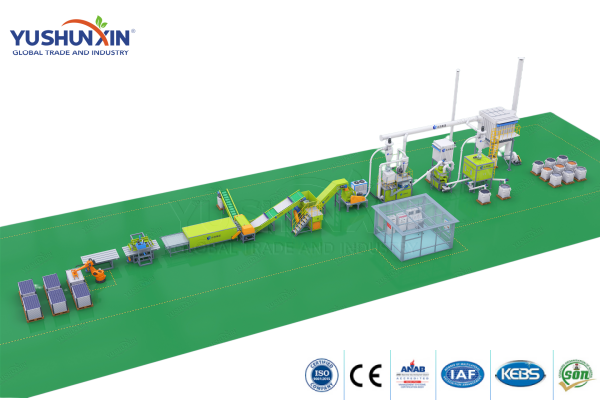
Which process stages belong in a complete configuration?
The line starts with a dismantling table and a frame removal press, because clean aluminium improves the value of that fraction. A thermal delamination chamber follows, and that chamber releases the encapsulant so the glass separates from the cells. Crushing, screening and electrostatic separation recover the silicon and the metal fines, while a dust collector keeps the working area clean. Your engineering team defines the capacity of each stage in one table, and that table shows whether the chain reaches the target throughput without a bottleneck.
How do you match the configuration with the input material?
Whole modules need a wider feeding station than pre-cut frames, and that choice changes the footprint of the plant. A stream with a high share of broken glass requires a gentler crushing stage, because fine powder reduces the recovery of the silicon fraction. A complete solar panel recycling solution configuration also reserves buffer capacity between the thermal chamber and the crusher, so a short stop does not halt the whole line. You confirm the input specification with the module owners before the equipment order, and that confirmation protects the schedule of the project.
Which technology choices improve the recovery rate?
A controlled temperature profile inside the chamber protects the glass and improves the delamination result. A PV recycling technology for module recovery review compares thermal and mechanical routes for the same input, and that comparison shows where the thermal stage adds value. Screening with a defined mesh size keeps the fractions clean, and electrostatic separation recovers conductive fines from the mixed stream. Your laboratory measures the purity of each fraction, and those measurements support the sales contract with the downstream buyer.
How do you prepare utilities and permits for the solution?
The thermal stage defines the electrical load, the ventilation volume and the fire protection concept of the building. Wastewater from the wet separation step requires a treatment step, and the permit file documents that flow. A PV module thermal recycling plant configuration that starts with the permit conditions avoids a redesign after construction. Your project manager confirms the utility capacity with the provider, and that confirmation keeps the commissioning date realistic.
Conclusion for recycling companies and project engineers
A complete configuration turns separate machines into one process that the operating team can control with a single data set. A solar panel recycling project engineering team that supplies process drawings, capacity tables and commissioning support reduces the interface risk between stages. Every solar panel that the plant processes returns glass and metals to the material cycle, and that return supports the environmental case of the project. If your team needs a reference for the line configuration and the equipment scope, you can learn more about https://solutionsforewaste.com/solar-panel-recycling-plant/ before the next design review.