Introduction to Solar Panel Pyrolysis
Solar panel pyrolysis is an innovative process designed to recycle and recover valuable materials from end-of-life solar panels. This technology addresses the growing need for sustainable disposal solutions as the adoption of solar energy continues to rise globally. Key components, such as silicon, aluminum, and glass, can be extracted and reused, reducing the environmental footprint of solar energy. As interest in this technology grows, understanding the costs associated with solar panel pyrolysis machines becomes essential for stakeholders across industries.
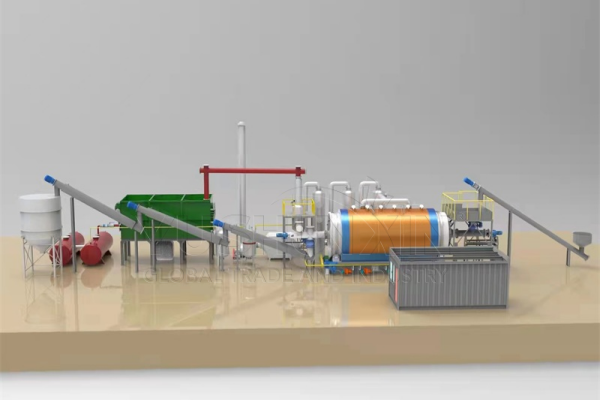
Factors Influencing the Cost
- Machine Capacity and Size
The cost of a solar panel pyrolysis machine is heavily influenced by its capacity and size. Machines with higher throughput can process more panels per hour, leading to higher initial costs. However, larger machines are often more efficient on a per-unit basis, potentially leading to lower long-term operational costs. Businesses must assess their specific needs to determine the appropriate machine size, balancing initial investment with processing capacity.
- Technological Complexity
The complexity of the technology used in pyrolysis systems can also impact costs. Advanced machines equipped with state-of-the-art features such as automated sorting, enhanced material recovery, and integrated emission control systems tend to be more expensive. While these features increase the initial cost, they can improve efficiency, reduce labor requirements, and minimize environmental impact, resulting in potential cost savings over time.
Breakdown of Costs
- Initial Purchase Price
The initial purchase price of a solar panel pyrolysis machine can vary widely, ranging from $100,000 to over $1 million, depending on capacity, technology, and manufacturer reputation. It’s crucial for buyers to consider not only the upfront cost but also the machine’s lifecycle value and return on investment (ROI).
- Operating and Maintenance Costs
In addition to the purchase price, operating and maintenance costs are significant considerations. These costs include energy consumption, labor, routine maintenance, and replacement parts. Advanced machines with higher efficiency and automation may have lower ongoing costs, but they may require skilled operators and technicians for maintenance.
Investment Considerations
- Government Incentives and Financing
Investors should explore available government incentives and financing options to offset the high initial costs. Subsidies, tax credits, and grants for renewable energy and recycling technologies can significantly reduce financial barriers, making the investment more attractive.
- Long-term ROI
When evaluating the cost of a solar panel pyrolysis machine, businesses must consider the long-term ROI. By recovering valuable materials and reducing landfill waste, pyrolysis can lead to sustainable revenue streams and align with corporate sustainability goals, enhancing the overall financial viability of the investment.
Conclusion
The cost of a solar panel pyrolysis machine is determined by numerous factors, including capacity, technological complexity, and additional operational expenses. While the initial investment can be substantial, the long-term benefits of material recovery, reduced waste, and potential government incentives can provide a compelling ROI for businesses committed to sustainability. Careful evaluation of these factors can guide stakeholders in making informed decisions that align with their financial and environmental objectives. Visiting: https://www.solutionsforewaste.com/product/solar-panel-recycling-plant-cost/
Leave a Reply