Introduction
The rapid proliferation of lithium-ion batteries, powering everything from smartphones to electric vehicles, has led to an increased emphasis on recycling to mitigate environmental impact and recover valuable materials. Recycling processes for lithium-ion batteries are being refined to efficiently handle large volumes, such as 500kg/h, ensuring sustainability and resource recovery. This passage delves into the intricate process of recycling 500kg/h of lithium-ion batteries, highlighting key stages including collection and sorting, discharging and dismantling, material recovery, and waste management.
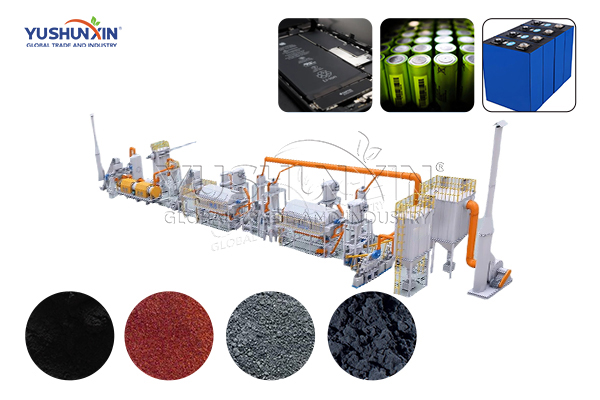
Collection and Sorting
The recycling process begins with the collection and sorting of used lithium-ion batteries. This stage involves gathering batteries from various sources, such as consumer electronics, electric vehicles, and industrial applications. Proper sorting is crucial to separate lithium-ion batteries from other types and to classify them based on chemistry and size. Automated systems and manual inspections are often employed to ensure accuracy. Effective sorting not only optimizes the recycling process but also enhances safety by preventing potential chemical reactions among incompatible batteries.
Discharging and Dismantling
Once sorted, the batteries undergo a discharging process to neutralize any remaining charge, eliminating the risk of short circuits or explosions during subsequent stages. Discharging can be conducted using specialized equipment that safely reduces the battery’s charge to a harmless level. Following discharging, the batteries are dismantled to separate components such as casings, electrodes, and electrolytes. Advanced mechanical processes and robotic systems are utilized to carefully disassemble batteries while minimizing damage to valuable materials like lithium, cobalt, nickel, and copper.
Material Recovery
Material recovery is the centerpiece of the lithium battery recycling process, encompassing various techniques to extract valuable metals and components. Pyrometallurgical and hydrometallurgical methods are predominantly used. Pyrometallurgy involves high-temperature processing to melt and separate metals, while hydrometallurgy employs chemical solutions to leach and recover materials. The choice between these methods depends on factors such as efficiency, environmental impact, and economic feasibility. During this stage, materials like lithium salts, cobalt, nickel, and copper are recovered and purified for reuse in new batteries or other applications.
Waste Management and Environmental Considerations
Effective waste management is crucial in the recycling process to handle residues and by-products responsibly. Solid wastes, including casings and separators, are often processed for secondary uses or safe disposal. Liquid waste generated from hydrometallurgical processes is treated to neutralize harmful chemicals and recover any remaining metals. Adhering to environmental regulations and standards is essential to minimize ecological impact and ensure safe recycling practices. The implementation of closed-loop systems and continuous monitoring further enhances the sustainability of the recycling process.
Conclusion
Recycling 500kg/h of lithium-ion batteries involves a comprehensive process designed to maximize material recovery while ensuring environmental compliance. From meticulous collection and sorting to advanced discharging, dismantling, and material recovery, each stage is integral to the efficient and sustainable recycling of these essential energy storage devices. As technological advancements continue to refine these processes, the recycling industry is poised to play a critical role in supporting the circular economy, reducing reliance on raw material extraction, and mitigating the environmental impact of lithium-ion battery waste. Visiting: https://www.sxlbp.com/cases/how-to-setup-a-500kg-h-lfp-battery-recycling-plant-in-singapore/
Leave a Reply