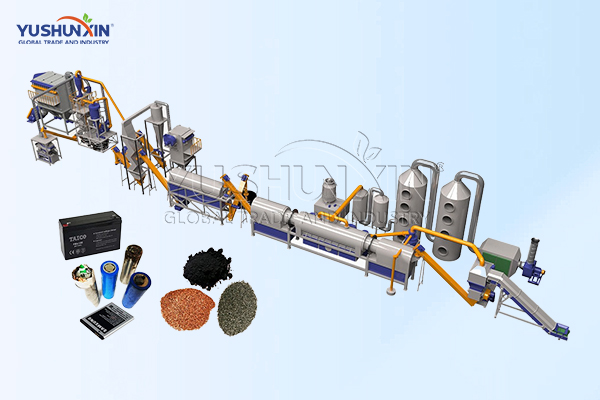
The exponential growth in the use of lithium batteries in devices such as smartphones, laptops, and electric vehicles has brought forth the critical need for efficient recycling methods. Recycling lithium batteries not only conserves valuable resources but also mitigates environmental hazards. Specialized machinery plays a pivotal role in the recycling process, ensuring safety and efficiency. This passage explores the various machines involved in the recycling of lithium batteries, highlighting their functions and significance in the industry.
The Importance of Recycling Lithium Batteries
Environmental and Economic Impacts
Lithium batteries contain valuable metals such as lithium, cobalt, nickel, and manganese, making their recycling economically viable. Proper recycling prevents these metals from ending up in landfills, where they can cause significant environmental harm. Moreover, recycling reduces the need for mining new materials, conserving natural resources and minimizing the carbon footprint associated with the production of new batteries.
Key Machines in Lithium Battery Recycling
1. Battery Discharge Machines
Before batteries can be safely disassembled, they must be fully discharged to prevent short circuits and potential fires. Battery discharge machines are designed to safely and efficiently discharge lithium batteries, ensuring that they are inert and ready for further processing.
2. Shredding Machines
Once discharged, the batteries are fed into shredding machines. These machines crush the batteries into smaller pieces, breaking them down into manageable sizes. This process exposes the internal components of the batteries, making it easier to separate the valuable metals from the casings and other materials.
3. Separation Equipment
Advanced separation technologies are crucial in the recycling process. These machines utilize physical and chemical methods to separate valuable metals from non-metal components. Magnetic separators are commonly used to extract ferrous metals, while eddy current separators are employed for non-ferrous metals. Additionally, flotation machines might be used to separate specific metal powders based on density differences.
4. Hydrometallurgical Processing Units
Hydrometallurgical processes involve the use of chemical solutions to extract metals from the shredded battery materials. Specialized equipment such as leaching tanks and precipitation reactors are used to dissolve metals like lithium and cobalt, which are then recovered through further chemical reactions.
5. Pyrometallurgical Furnaces
In some recycling facilities, pyrometallurgical processes are used to extract metals at high temperatures. Furnaces are employed to melt down the shredded battery materials, allowing for the separation and recovery of metals. These furnaces are designed to operate at extremely high temperatures, ensuring efficient metal recovery.
The Future of Lithium Battery Recycling
Innovations and Advancements
The continued advancement in recycling technology holds promise for even more efficient and environmentally friendly recycling methods. Innovations such as robotic disassembly systems and improved chemical recovery processes are on the horizon, potentially revolutionizing how lithium batteries are recycled.
Conclusion
The recycling of lithium batteries is a complex process that relies heavily on specialized machinery. From discharge and shredding to separation and metal recovery, each machine plays a vital role in ensuring the safe and efficient recycling of these valuable resources. As technology continues to evolve, the efficiency and effectiveness of lithium battery recycling are poised to improve, contributing to a sustainable and eco-friendly future. Visiting: https://www.solutionsforewaste.com/product/lithium-battery-recycling-plant/
Leave a Reply