As the global push towards renewable energy gains momentum, solar panels have become a crucial component of sustainable power generation. However, like any technology, solar panels have a finite lifespan, typically around 25 to 30 years. The growing number of decommissioned panels presents a challenge and an opportunity for recycling. Establishing a solar panel recycling plant involves various costs, influenced by multiple factors that need careful consideration. This article explores the key factors affecting the cost of setting up and operating a solar panel recycling facility.
Initial Infrastructure and Technology Investment
Capital Expenditure on Equipment
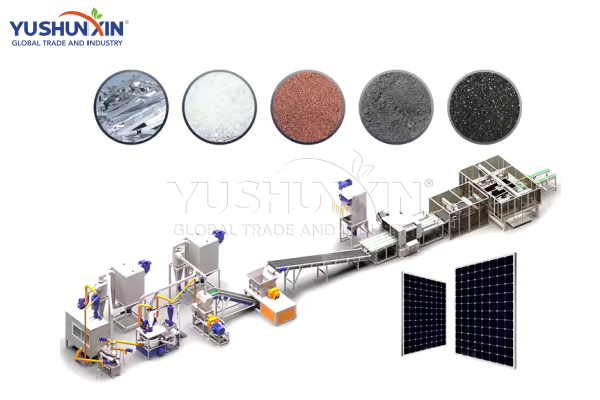
The cost of setting up a solar panel recycling plant is heavily influenced by the capital expenditure required for purchasing and installing equipment. Advanced technology is necessary to efficiently dismantle, process, and recover valuable materials from solar panels. This includes machinery for mechanical shredding, thermal processing, and chemical treatments, each contributing to the overall investment.
Facility Construction and Infrastructure
The physical infrastructure of the plant, including buildings, utilities, and transportation facilities, also significantly impacts the cost. The location and scale of the facility will determine construction expenses, with larger plants requiring more extensive infrastructure. Additionally, integrating sustainable building practices can increase upfront costs but may lead to long-term savings and environmental benefits.
Operational and Regulatory Considerations
Labor and Staffing Costs
Operating a recycling plant requires skilled labor, ranging from machine operators to technical experts in material recovery and waste management. Labor costs vary based on regional wage standards, the level of expertise required, and the scale of operations. Investing in training programs can improve efficiency and safety, although this adds to initial costs.
Compliance with Environmental Regulations
Adhering to environmental regulations is crucial for the operation of a solar panel recycling plant. Compliance involves obtaining necessary permits, conducting environmental impact assessments, and implementing pollution control measures. These regulatory requirements can add significant expenses to both the establishment and ongoing operation of the facility.
Market Dynamics and Material Recovery
Fluctuation in Material Prices
The economic viability of a recycling plant is influenced by the market prices of recovered materials, such as silicon, silver, and copper. Fluctuations in these prices can affect revenue streams, impacting the overall cost structure. A downturn in material prices may necessitate adjustments in operational strategies to maintain profitability.
Collection and Transportation Logistics
The logistics of collecting and transporting decommissioned solar panels to the recycling facility play a crucial role in cost determination. These expenses depend on the geographic distribution of panel sources and the distance to the plant. Efficient logistics planning can help minimize transportation costs, but establishing a broad network of collection points might require additional investment.
Technological Advancements and Efficiency
Investment in Research and Development
Continuous investment in research and development can lead to technological advancements that enhance the efficiency of the recycling process. Such innovations may include improved methods for material separation and recovery, which can reduce operational costs over time. However, R&D investments themselves contribute to the initial and ongoing financial burden.
Automation and Process Optimization
Embracing automation and optimizing recycling processes can significantly lower labor costs and increase throughput. While automation entails a substantial initial investment in technology and machinery, the long-term benefits include reduced operational costs and improved consistency in material recovery.
Conclusion: Balancing Costs and Benefits
Establishing a solar panel recycling plant involves a complex interplay of various factors that influence costs. From infrastructure investments to regulatory compliance and market dynamics, each aspect requires careful planning and strategic decision-making. While the initial expenses may be substantial, the long-term benefits of contributing to sustainable waste management and resource conservation make it a worthwhile endeavor. Balancing these costs with the environmental and economic advantages will be key to the successful implementation of solar panel recycling initiatives. Visiting: https://www.solutionsforewaste.com/product/solar-panel-recycling-plant-cost/
Leave a Reply