As the global push for renewable energy intensifies, more solar panels are being deployed—and with them, the demand for effective recycling solutions is on the rise. But one common question businesses and investors ask is: Why does solar panel recycling equipment vary so much in price? In this post, we’ll explore the key factors that influence the cost of such machinery.
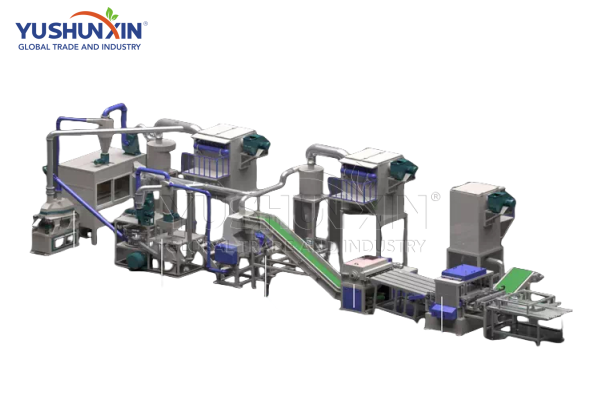
1. Type of Recycling Process
The price of equipment is heavily influenced by the recycling method it supports. There are generally two main types of processes:
- Mechanical recycling involves shredding and separating materials using crushers, granulators, magnetic separators, and eddy current systems. This setup is usually more affordable but may result in lower material recovery rates.
- Thermal or pyrolysis recycling uses high temperatures to decompose the panel materials and recover valuable components like silicon wafers or silver. These systems tend to be more complex and costly due to the advanced heating and emission control technologies required.
The more advanced and efficient the process, the higher the equipment cost.
2. Level of Automation
Highly automated systems with robotic arms, programmable logic controllers (PLC), and smart sensors can significantly increase productivity and reduce labor costs. However, they also come with a higher upfront investment compared to manual or semi-automatic models. For large-scale operations, automation is often worth the price, but smaller businesses may opt for simpler setups.
3. Processing Capacity and Throughput
Another major factor is the equipment’s processing capacity—that is, how many tons of solar panels it can handle per hour. Machines designed for large recycling facilities naturally require more robust construction and higher energy input, leading to a higher overall price.
4. Material Recovery Efficiency
Some machines are designed to recover not just glass and aluminum, but also high-value materials like silicon, silver, and rare metals. The more precise and efficient the separation process, the more sophisticated and expensive the machinery will be.
5. Customization and Add-ons
Each recycling project is unique. Some companies require tailored systems with special conveyors, dust control units, or integrated AI for material recognition. Custom features and engineering support can significantly drive up the cost.
6. Brand, Quality, and After-Sales Support
Finally, brand reputation and the quality of build materials also impact pricing. Equipment from well-known manufacturers with strong after-sales service, warranty, and spare parts availability often comes at a premium—but provides long-term reliability and peace of mind.
Final Thoughts
When evaluating solar panel recycling equipment, it’s important to consider more than just the sticker price. Think in terms of efficiency, long-term ROI, and environmental compliance. The right investment today can pay off significantly as the solar industry continues to grow—and age. Visiting: https://www.spdsx.com/product/solar-panel-recycling-equipment-cost/
Leave a Reply