A solar panel recycling project cost contains a capital block that the owner pays once and an operating block that returns every month, and the second block decides the long-term margin of the plant. You, as a recycling company manager or as a project investor, examine the solar panel recycling project cost after the first year of operation, because the actual figures differ from the feasibility estimate. A small reduction in the cost per tonne compounds into a large gain over the life of the line.
Which operating cost items dominate a solar panel recycling plant?
The electricity of the shredder and the thermal unit, the labour of the dismantling shift, the replacement of the blades and the disposal of the residue form the recurring cost of the plant. An operating cost reduction in solar panel recycling review ranks those four items by their share of the total, because the largest item deserves the first improvement. You also count the transport of the modules, since a distant supply adds a cost that the plant cannot control. The operating expense then appears in one table instead of several invoices.
How does the line design reduce the energy per tonne?
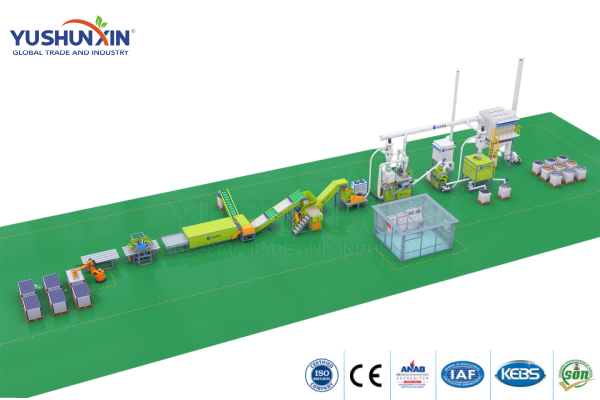
A layout that places the shredder next to the separation stage reduces the conveying distance, and that change lowers the electricity of the line without any new equipment. A solar panel recycling plant operating plan also shifts the thermal stage to the hours of lower tariff, and that shift cuts the energy bill of the month. You measure the consumption of each unit with a separate meter, because a shared meter hides the unit that wastes power. The plant then corrects the largest consumer first.
How does maintenance planning protect the budget?
A blade that wears beyond its tolerance consumes more energy and produces a coarser fraction, and that combination raises the cost of the downstream separation. A cost control for a solar panel recycling plant routine replaces the consumable parts on a schedule, and that schedule costs less than a failure during a delivery week. You keep a spare set on site, because a two-week lead time stops the line. The maintenance record then shows the interval that the real material requires.
How does the operator measure the cost per tonne?
A monthly report with the energy per tonne, the labour per tonne and the residue per tonne gives the manager a comparable figure for each period. You compare that figure with the value of the recovered glass, aluminium and silver, and the difference shows the margin of the plant. The comparison also reveals the month in which a price change or a process change produced its effect. The manager then negotiates the next supply contract with measured data.
Conclusion for recycling companies and project investors
The operating block decides the long-term margin of a solar panel recycling plant, and the energy, the labour and the wear parts offer the largest savings. A solar panel recycling cost advisors team that supplies the cost table, the layout review and the maintenance plan helps the operator protect that margin. The volume of end-of-life modules keeps rising, and the plant with a low cost per tonne serves that volume profitably when the material price falls. If your team needs a reference for the process configuration and the cost scope, you can learn more about https://solutionsforewaste.com/solar-panel-recycling-cost/ before the next budget review.