A small battery recycling line attracts investors because the entry ticket looks modest, yet the profitability of that line depends on four items that deserve attention before any money moves. You, as a project investor or as a company director, review a small scale lithium battery recycling plant against feedstock access, output specification, operating cost and off take. That review converts a promising concept into an investment case that a lender or a board can examine.
Which feedstock question matters most?
The investor confirms where the batteries will come from, because a small line needs a steady monthly volume rather than a single large shipment. Collection agreements with workshops, retailers and fleet operators provide that volume, and those agreements also define the transport cost. The material mix matters as well, because consumer packs and vehicle modules require different pretreatment steps. Your analyst maps the suppliers within an economic radius, and that map reveals whether the planned capacity matches the available flow.
Which technical checks protect the investment?
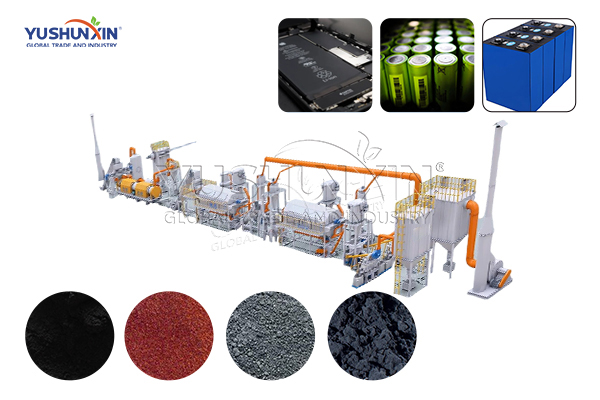
The buyer requests the mass balance, the equipment list and the performance guarantee of the supplier, and those documents show the recovery rate that the line delivers. A lithium battery recycling shredder machine with documented capacity and wear part life protects the operating cost forecast, because the shredder sets the pace of the line. Your team also verifies the dust collection and the water treatment scope, since those systems belong to the permit conditions. A battery material recycling line investment review records every check in one table, and that table supports the negotiation with the supplier.
Which cost and revenue figures build the case?
The capital cost covers equipment, civil works, permits and the working capital of the first months, and each part deserves its own line in the model. The operating cost covers labour, energy, wear parts and logistics, and those items follow the utilisation rate of the plant. Revenue comes from copper, aluminium, steel and black mass, and the price of each fraction follows the market. Sound due diligence tests the model with a lower metal price, and that test shows the break even condition of the project.
How do you structure the off take agreement?
The off take agreement defines the specification, the delivery schedule and the payment terms, and those three items protect the cash conversion cycle of the plant. A investment due diligence for battery recycling review also checks whether the buyer accepts the moisture and the metal content that the line produces in normal operation. Your commercial team signs a framework agreement before commissioning, and that agreement converts a market forecast into a contract.
Conclusion for project investors and company directors
A disciplined review of feedstock, technology, cost and off take protects the capital that a battery recycling project requires. A battery recycling due diligence advisors team that supplies capacity data, reference plants and commissioning support strengthens the investment memorandum. A small line also allows the investor to enter the market with a defined risk, and that entry point supports a later expansion. If your team needs a reference for the technical scope and the business case, you can learn more about https://www.sxlbp.com/products/500kg-h-lithium-battery-recycling-plant-for-sale/ before the investment decision.