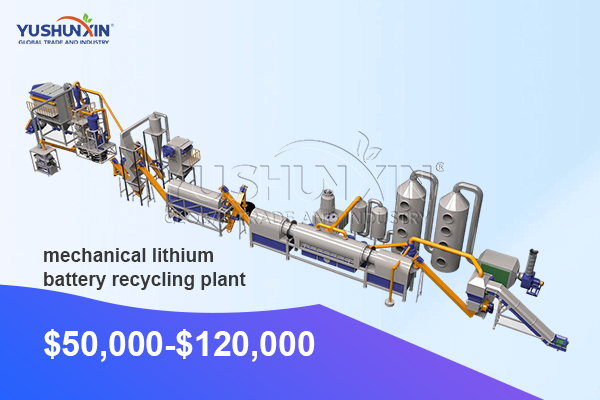
Installation and commissioning decide whether a battery recycling plant reaches its rated output in the first month or in the first year, and you, as a project manager or as an operating company owner, plan both phases with the same discipline as the equipment purchase. A lithium battery discharge and recycling process starts with the discharge station, continues with shredding, drying and separation and, in the hydrometallurgical route, ends with chemical recovery. The installation sequence must follow that process order, because each unit depends on the utilities and the material flow of the previous one.
Which activities belong to the installation phase?
The installation phase covers the foundation checks, the mechanical erection of the discharge station, the shredder and the separators, and the connection of the conveying system. The electrical work covers the cabinets, the cabling and the instrumentation, and that scope requires a licensed contractor. The dust collection and the water circuits complete the installation, and those systems must be tested before the first material enters the line. Your project office verifies the alignment of each machine against the layout drawing before the grouting.
Which activities belong to the commissioning phase?
Commissioning starts with a dry run of every motor and conveyor, and that test confirms the direction of rotation and the interlocks. A lithium battery discharge machine receives special attention during that stage, because the discharge circuit must protect the following shredder. The wet commissioning then feeds real battery material at partial load, and the team records the temperature, the dust level and the separation result. Your engineers increase the load in steps until the plant reaches the guaranteed capacity.
How do you prepare the operating team?
Training runs in parallel with the installation, so the operators learn the equipment while the technicians still have access to every component. A installation and commissioning of a battery recycling plant also includes the safety procedure for damaged cells and the emergency response for a thermal event. Your supervisors practise the sampling routine, because the quality record starts from the first day of production. The supplier hands over the manuals and the spare part list at the end of the phase.
How do you close the performance test?
The performance test measures throughput, recovery rate and the moisture of the black mass against the contract values. A commissioning plan for a lithium battery recycling line also defines the duration of the test and the acceptance criteria for each parameter. The client signs the certificate after the plant runs for the agreed period, and that signature releases the final payment. Professional commissioning then records every deviation with the corrective action.
Conclusion for project managers and operating companies
Professional installation and commissioning convert a purchase order into a plant that delivers its guaranteed output. A battery recycling commissioning engineers team that supplies drawings, training and test protocols shortens the start up period for the operator. A disciplined handover also protects the warranty, because the record shows that the plant operated inside its design envelope. If your team needs a reference for the installation scope and the test criteria, you can learn more about https://www.sxlbp.com/technology/hydrometallurgical-lithium-battery-recycling-plant/ before the contract signature.