Understanding Waste Tire Recycling Plant Costs
Investing in a waste tire recycling plant is a strategic move for businesses and governments aiming to tackle environmental issues while generating economic benefits. However, the cost of setting up such a plant can vary significantly based on numerous factors. Understanding these factors is crucial for making informed decisions and optimizing both capital and operational expenditures. This article explores key elements that influence the price of a waste tire recycling plant.
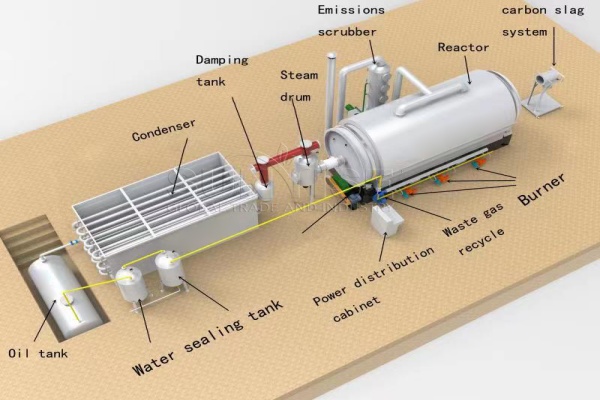
Technological Factors
Type of Technology and Equipment
The choice of technology and equipment is a primary factor affecting the cost of a recycling plant. Advanced technologies that offer efficient, high-capacity processing tend to be more expensive. For example, pyrolysis technology, which converts tires into oil, carbon black, and steel wire, requires sophisticated machinery and thus involves higher initial investment. On the other hand, simpler shredding and grinding technologies might be more affordable but may not deliver the same revenue-generating by-products.
Automation Level
The degree of automation within the plant also impacts costs. Fully automated systems require substantial capital investment but can reduce long-term operational costs by minimizing labor requirements and improving processing efficiency. In contrast, semi-automated or manual systems might involve lower upfront expenses but incur higher operational costs due to increased labor needs.
Geographical and Infrastructural Factors
Location and Logistics
The plant’s geographical location plays a significant role in determining its cost. Proximity to sources of waste tires and markets for recycled products can influence transportation and logistics expenses. Establishing a plant in an area with adequate infrastructure, such as roads, utilities, and communications, can reduce additional costs associated with setting up these services.
Regulatory Environment
Local regulations and environmental standards can also impact costs. Compliance with environmental laws may require additional investments in pollution control and waste management systems. Furthermore, obtaining necessary permits and licenses can incur costs and affect the timeline for plant setup.
Economic Factors
Supply and Demand Dynamics
The economic landscape, including supply and demand for recycled materials, impacts the plant’s potential revenue and, consequently, investment returns. A high demand for recycled rubber, oil, and steel can increase the profitability of the plant, justifying a higher initial investment. Conversely, fluctuating market prices may affect the plant’s financial viability.
Government Incentives and Support
Government incentives, such as grants, tax breaks, and subsidies, can significantly impact the overall cost of establishing a recycling plant. Policies aimed at encouraging sustainable practices can reduce capital and operational expenditures, making investment in recycling more attractive.
Conclusion: Strategic Considerations
The cost of a waste tire recycling plant is determined by a complex interplay of technological, geographical, and economic factors. Investors must carefully assess these elements to make informed decisions that align with their strategic and financial goals. By understanding the intricacies of the market and leveraging available resources and incentives, businesses can optimize their investment in tire recycling, contributing to environmental sustainability and economic growth. As technology advances and market dynamics evolve, staying informed and adaptable remains key to success in the recycling industry.Visiting: https://www.solutionsforewaste.com/product/waste-tyre-recycling-plant-costs/
Leave a Reply